
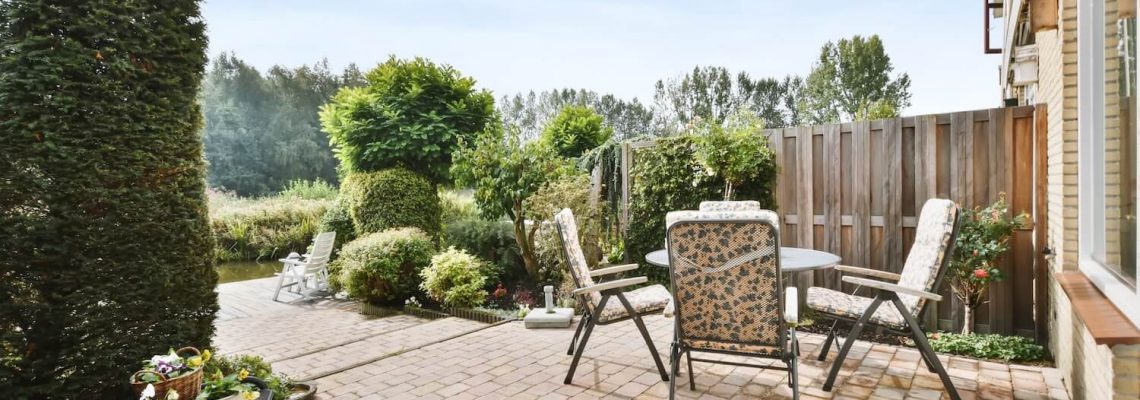
When you stand on a beautifully finished paver patio, it is easy to be captivated by the surface aesthetics, the rich color palettes, the elegant textures, and the intricate patterns that seamlessly connect your home to the natural landscape. A pristine patio feels like an immediate upgrade, transforming a quiet backyard into a vibrant, structured sanctuary for family gatherings, quiet relaxation, and outdoor dining. However, as any experienced hardscape contractor will tell you, the long-term success of your outdoor investment is decided long before the first paving stone is ever laid.
While a poorly installed patio may begin to sink, shift, or sprout weeds within just a few seasons, a professionally engineered paver system is built to last between 25 and 50 years, and in many cases, even longer. The secret to this remarkable lifespan lies entirely beneath the surface. Understanding the technical nuances of proper soil preparation, aggregate layering, drainage calculation, and interlocking mechanics reveals why some patios endure for decades while others fail prematurely.
The Fundamental Physics: Why Pavers Outperform Solid Concrete
To understand why custom paver patios possess such extreme durability, we must first compare them to traditional solid concrete slabs. A poured concrete patio is rigid. When the ground beneath it shifts, which happens continuously due to seasonal moisture, tree roots, and temperature fluctuations, the rigid slab cannot adapt. The tension builds up within the concrete until it inevitably releases in the form of a structural crack. Once a concrete slab cracks, water seeps into the fissure. In cold weather, this trapped water expands as it freezes, widening the gap and accelerating the destruction of the surface. Patching concrete is a temporary fix that results in a mismatched, unsightly scar, often requiring full demolition and re-pouring after 15 to 25 years.
An interlocking paver patio functions on an entirely different structural philosophy. Instead of fighting the movement of the earth, a paver system works with it. Because the patio is composed of individual, small stones joined by flexible polymeric sand, the entire surface acts as a flexible pavement. When soil expands, contracts, or settles, the joints absorb the movement, allowing individual pavers to flex slightly without cracking or breaking.
This modular design also grants pavers a massive maintenance advantage: complete spot-repairability. If a single paver is stained by grease, damaged by a catastrophic impact, or lifted by a tree root, it can be popped out individually. The localized base beneath can be re-leveled, and a new stone can be inserted seamlessly. This quick, inexpensive repair restores the patio to its original strength and appearance, ensuring a total lifespan that easily doubles that of concrete.
Phase 1: Deep Excavation and Soil Stabilization
Every long-lasting paver patio design begins with excavation to a stable subsoil layer, a critical step often overlooked by amateurs. Patios built directly on topsoil or organic debris are doomed to fail, as organic matter decays and compresses over time, leading to severe surface settling. Depending on the property’s specific soil conditions, a professional installation requires excavating between 8 and 12 inches deep.
In regions dominated by clay-heavy soils, this phase is exceptionally challenging. Clay is highly expansive; it acts like a sponge, swelling up to 10% when saturated with winter rains and shrinking dramatically during dry summer spells. This continuous rise-and-fall cycle creates intense pressure under a patio.
To neutralize this soil movement, professional contractors install a high-performance geotextile fabric directly over the excavated subsoil before any gravel is introduced. This specialized woven barrier serves two critical functions:
- It prevents the soft clay subsoil from migrating upward into the clean gravel base over time, which would compromise the structural integrity of the patio.
- It allows water to drain freely downward while stabilizing the soil, preventing the base aggregates from sinking into the mud during heavy rainstorms.
Phase 2: The Engineered Base and Leveling Layer
Once the subsoil is stabilized, the engineered foundation of the patio is built. The base is the true workhorse of the entire hardscape system, distributing weight and facilitating drainage. A standard, high-durability residential paver patio requires 6 to 8 inches of crushed stone.
However, simply dumping gravel into the excavated pit is not enough. The aggregate must be installed in thin “lifts” or layers, typically 2 to 3 inches at a time. Each lift is thoroughly compacted using a commercial-grade, high-impact plate compactor to lock the jagged stones together into a dense, solid, yet permeable matrix. This multi-stage compaction prevents future settling, ensuring that the patio remains perfectly flat under heavy patio furniture, hot tubs, and constant foot traffic.
On top of the compacted crushed stone base, a 1-inch layer of concrete sand is screeded perfectly flat. This sand layer does not serve as a leveling agent for mistakes in the gravel base; rather, it acts as a uniform bedding layer that cradles the underside of the pavers. When the pavers are placed on this bed and compacted from above, the sand migrates slightly upward into the joints, locking the bottom of the stones into place and completing the interlocking mechanism.
Phase 3: Locking It Down with Edge Restraints and Joint Sand
A common point of failure for DIY installations is lateral movement. Without structural boundaries, the outward pressure of walking on the patio causes the outer pavers to drift slowly outward over time, widening the joints, letting in weeds, and destabilizing the inner stones.
To prevent this horizontal migration, professionals install heavy-duty edge restraints along the entire perimeter of the design. These restraints are spiked deep into the compacted gravel base, locking the perimeter stones firmly in place. This hidden structural boundary acts as a permanent frame, absorbing lateral pressure and keeping the entire patio looking sharp and tightly packed for decades.
To complete the interlocking system, the joints between the pavers are filled with polymeric sand. Unlike regular play sand, which easily washes away during rainstorms or gets blown out by leaf blowers, polymeric sand contains specialized organic binders that activate when misted with water. Once cured, this sand hardens into a strong, flexible, rubber-like barrier. This engineered joint material:
- Locks the individual pavers together, creating a cohesive, slip-resistant surface.
- Prevents rainfall from eroding the bedding sand beneath the pavers.
- Blocks airborne weed seeds from taking root in the joints.
- Keeps ants and other pests from excavating sand and creating voids beneath the stones.
The Crucial Role of Slope and Hydrological Design
Water is the primary enemy of any outdoor structure. If water is allowed to pool on top of the patio, it can stain the stones and encourage the growth of slippery moss and algae. If water pools beneath the patio, it erodes the base material, causing the pavers to sink, cave in, or rock when stepped on.
To manage water effectively, every professional hardscape design includes a precise slope of 1% to 2%. This means that for every 10 feet of patio length, the surface drops between 1.2 and 2.4 inches. Crucially, this slope is carefully graded to direct water away from the home’s foundation and outbuildings, protecting your structural assets from moisture intrusion.
Proper slope and aggregate leveling also prevent frost heave. In cold climates, standing water beneath a rigid patio freezes, expands upward, and destroys the surface. A properly sloped paver patio, resting on a highly permeable compacted base, allows rainwater to drain rapidly down and through the system, leaving no standing water to freeze and fracture the stones.
For homes with severe drainage challenges, permeable paver systems represent an advanced solution. These systems feature wider joints filled with small, clean stone chips, allowing heavy rainfall to filter instantly into a deep, open-graded aggregate reservoir beneath. This water then slowly dissipates into the natural soil, eliminating surface runoff and ponding.
The True Cost of DIY vs. Professional Craftsmanship
In the era of internet tutorials, the temptation to undertake a paver patio as a weekend DIY project is high. However, the physical reality of hardscaping often surprises homeowners. A standard 300-square-foot patio requires excavating, moving, and compacting over 15 tons of soil, gravel, and stone. Handling this volume of heavy material without professional excavation equipment, laser levels, and commercial plate compactors is not only physically exhausting but also highly prone to structural errors.
An amateur mistake in the substrate prep, the base depth, or the grading slope can result in a patio that begins to fail within its first three years. Fixing a failing patio requires lifting all the stones, digging out the improper base, and starting over from scratch; an expensive process that far outweighs the initial savings of a DIY install.
Hiring seasoned pros takes the stress and physical toll out of major outdoor renovations. A specialized team brings years of experience, a deep understanding of local soil behaviors, and the proper commercial equipment to ensure that the critical base layers are engineered to perfection. This professional pedigree is why Stone Paving Inc. focuses heavily on the invisible foundation of every project, ensuring that your custom patio is built on a standard of technical excellence that stands the test of time.
Proactive Care: Keeping Your Patio “Party-Ready”
While a professionally built pavers patio is incredibly self-sufficient, a simple maintenance playbook can easily push its lifespan decades past the 50-year mark.
- Regular Sweeping and Rinsing: Keeping the surface free of organic debris like wet leaves and grass clippings prevents organic acids from staining the stones.
- Annual Gentle Pressure Washing: A gentle pressure wash (keeping the nozzle below 2,000 PSI) once a year removes accumulated dirt, algae, and mildew. Be careful not to hold the wand too close to the joints to avoid blowing out the polymeric sand.
- Seal Every 2 to 3 Years: Applying a premium penetrating sealer protects the pavers from intense UV fading, shields them against food and grease stains, and hardens the joint sand to further resist weed growth.
- Keep Joints Filled: Polymeric sand naturally degrades over years of heavy rain. Inspect the joints periodically and re-sand them every 3 to 5 years to keep the interlocking system completely locked.
- Prompt Spot Repairs: If you notice a single stone has chipped or cracked, address it early. Pop the damaged paver out, add a pinch of sand to level the base, and drop in a fresh stone. This quick fix protects the surrounding pavers from shifting.
By partnering with a dedicated contractor like Stone Paving Inc., you gain access to professional paver maintenance and refinishing services that can make an aging, weathered patio look brand-new again without the cost of a full replacement.
Frequently Asked Questions
How long do professionally installed pavers actually last?
A paver patio built on a properly compacted gravel base with stabilized soil and correct grading will easily last between 25 and 50 years. High-quality concrete and natural stone pavers are virtually indestructible; it is the quality of the foundation that determines the final lifespan.
Why do pavers handle cold winter freeze-thaw cycles better than concrete?
Poured concrete is rigid and cracks when water freezes and expands underneath it. Pavers are a segmented, interlocking system. The individual stones are flexible, allowing the patio to expand and contract naturally with the ground without cracking or fracturing.
What is geotextile fabric, and why is it necessary?
Geotextile fabric is a heavy-duty woven sheet laid between the excavated subsoil and the gravel base. It acts as a stabilizer, preventing soft soil (like clay) from mixing with the gravel base, which would cause the patio to shift and sink over time.
How does proper drainage protect my patio and home for decades?
A professional patio is built with a 1% to 2% slope that directs water away from your home’s foundation. This prevents water from pooling on the patio, which can cause soil erosion, base washouts, and frost heave during the winter months.
Can I replace a single stained or damaged paver?
Yes. One of the greatest benefits of a paver system is its modular design. Unlike concrete, which requires complete demolition to repair a cracked section, a single damaged paver can be popped out, the sand base leveled, and a new matching paver tapped into place in just a few minutes.
Conclusion: Reclaiming Your Outdoor Space with Confidence
Your backyard is an essential part of your home’s identity, a private retreat that should offer comfort, beauty, and functional space for decades to come. Investing in a custom paver patio is a powerful way to reclaim your land, turn challenging sloped areas into structured beauty, and significantly boost your property’s curb appeal and resale value by 30% to 60%.
A successful outdoor transformation is not built on shortcuts; it is built on a foundation of quality materials, technical expertise, and an unwavering commitment to precise engineering. From the depth of the excavation to the compaction of the gravel and the locking of the edge restraints, every step matters.
When you are ready to transition your backyard into a stunning, long-lasting sanctuary, working with a team that respects these installation details is the key to success. With 20 years of family-owned experience and a legacy of honest work, Stone Paving Inc. handles the muscle and sweat to bring your dream outdoor living space to life, ensuring a beautiful, durable surface that you and your family will walk on for decades.