
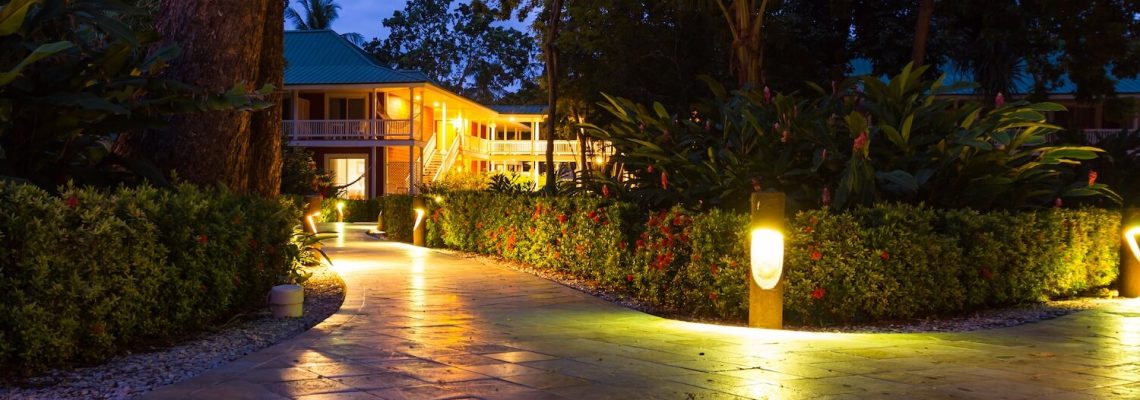
First impressions are formed in a matter of seconds. Long before a guest steps across your threshold or admires your interior décor, their experience of your home has already begun. The moment a car pulls off the street and onto your property, an unspoken story unfolds. It begins at the tires on the driveway, flows along the path toward the front porch, and culminates at the front door. This transition zone, from the driveway to the main entrance, is one of the most critical yet frequently underutilized architectural features of any residential property.
When this transition is marked by stained asphalt, cracked concrete slabs, narrow walkways, or dark, shadowy steps, the home feels fragmented and uninviting. Conversely, when the journey is intentionally designed with interlocking stone pavers and integrated low-voltage lighting, the arrival becomes a seamless, luxurious experience. Elevating your front entrance is not merely about a cosmetic makeover; it is about creating a cohesive narrative of quality, safety, and architectural elegance that welcomes you home every single day.
The Arrival Narrative: Landscape and Connecting Vehicle to Doorway
In modern residential architecture, the driveway and the front walkway are often treated as two entirely separate entities. A standard home might feature a plain poured-concrete driveway flanked by a grass lawn, with a thin concrete sidewalk branching off toward the front porch. This disconnect creates visual clutter and forces guests to navigate an awkward, disjointed path.
A truly sophisticated entry design treats the driveway and walkway as a single, continuous “arrival corridor.” Pavers offer the unique design flexibility required to visually and physically unite these spaces. By introducing a paver driveway apron, a stylized band of paving stones at the entrance of the driveway, and continuing that same stone texture or color accent along the borders of the walkway, the entire front yard gains instant structure and cohesion.
Furthermore, introducing an entry plaza or expanded landing pad near the front door gives the entrance room to breathe. Instead of a narrow, single-file sidewalk that forces visitors to crowd onto a tiny porch step, a spacious paver landing creates a welcoming focal point. It provides a natural area to pause, place decorative planters, and comfortably greet guests before entering the residence.
Designing the Walkway: Width, Curves, and Visual Rhythm
The walkway leading from your driveway to your front entrance silently controls how people experience your home. The geometry, width, and material palette of this path dictate the pace and tone of the approach.
1. Proportions and Width
One of the most common mistakes in front yard hardscaping is installing a walkway that is too narrow. A three-foot-wide path forces people to walk in single file, making the approach feel cramped and utilitarian. A professionally designed paver walkway should be at least four to five feet wide. This expanded width allows two people to walk side-by-side comfortably, creating an open, inviting atmosphere that reflects generosity and scale.
2. Straight Lines vs. Gentle Curves
The choice between a straight or curved walkway depends heavily on your home’s architectural style:
- Straight, Geometric Paths: Ideal for formal, colonial, or minimalist modern architecture. A straight path creates clean lines, symmetry, and a direct, grand sightline toward the front door.
- Gently Curved Paths: Perfect for craftsman, transitional, or country estates set among lush landscaping. Gentle, sweeping curves slow down movement, inviting visitors to take in garden features, natural stone borders, and subtle elevation changes.
3. Color, Pattern, and Border Framing
Pavers come in a staggering variety of earth tones, textures, and geometric shapes. A herringbone pattern, for example, adds immense structural interlock and timeless visual movement, while large-format stone slabs project a sleek, contemporary feel. Frame the walkway with a contrasting border, known as a soldier course or sailor course, to give the path a finished, picture-frame look that defines the space against surrounding lawns or garden beds.
Make Safe and Stylish Outdoor Transitions: Paver Steps and Coping
Where walkways encounter changes in elevation, steps are required. Traditional poured concrete steps are notorious for scaling, crumbling at the edges, and developing slick, hazardous surfaces when wet. Replacing worn steps with custom stone step systems transforms a potential safety hazard into an architectural highlight.
Paving stone steps are built with heavy-duty coping units that feature smooth, bullnose, or chiseled edges. These coping stones wrap around the front and sides of each step tread, protecting the underlying structure while providing a crisp, tailored finish. When these step units are secured with high-strength, weather-resistant masonry adhesives and set over a deeply compacted base, they form an immovable, solid staircase.
Safety is paramount on entry steps, particularly in regions prone to heavy rain, frost, or ice. Unlike smooth poured concrete, quality stone pavers feature built-in surface textures that provide superior traction underfoot. By engineering uniform riser heights (typically between 6 and 7.5 inches) and deep treads (12 to 14 inches), hardscape specialists ensure that walking up to your front porch feels completely natural, secure, and effortless.
Illuminating the Approach: The Magic of Integrated Outdoor Lighting
A beautifully paved entrance should look just as magnificent and function just as safely after sunset as it does in the bright afternoon sun. Integrated landscape lighting is the finishing touch that transforms a great hardscape installation into a breathtaking, nocturnal sanctuary.
Proper hardscape lighting is not about flooding the front yard with harsh glare; it is about subtle artful illumination that highlights textures, guides movement, and eliminates dangerous home shadows.
Key Lighting Techniques for Front Entries
- Under-Coping Step Lights: Sleek, low-profile LED fixtures are installed directly beneath the lip of step coping or retaining wall caps. They cast a warm, downward glow across the step treads, clearly defining elevation changes without blinding approaching guests.
- In-Paver Accent Lights: Flush-mounted, heavy-duty LED lights can be integrated directly into the paver surface along driveway borders, walkway edges, or entry plazas. These lights create a subtle runway effect that safely guides tires and footsteps alike.
- Path Lighting: Low-voltage bollards or umbrella-style path lights placed along garden borders cast soft pools of light across the paver texture, highlighting the subtle color variations of the stone while illuminating surrounding greenery.
- Focal Architectural Spotlighting: Up-lighting placed at the base of stone pillars, stone veneer entryway walls, or prominent trees creates depth and shadow, anchoring the front façade against the night sky.
Beyond dramatic curb appeal, integrated low-voltage LED systems consume minimal electricity and operate on automated timers or smart sensors, providing effortless security and peace of mind every evening.
The Invisible Engineering: Why Base Preparation Is Everything
When admiring a pristine paver entry illuminated by soft evening light, it is easy to focus entirely on the surface details. However, the true longevity of any paver installation is determined entirely by what sits beneath the stones. A beautiful surface built on an improper base will inevitably shift, sink, trap water, and sprout weeds within just a few years.
Achieving a driveway and walkway system that lasts for decades requires an uncompromising commitment to sub-surface engineering. The expert team at Stone Paving Inc. builds every project on a foundation of rigorous technical standards, ensuring that invisible base layers absorb heavy loads and withstand extreme seasonal shifts.
The Professional Base Blueprint
- Deep Excavation: Topsoil and loose organic material are completely removed to reach dense, stable subsoil. For driveways and main entries, excavation typically reaches 8 to 12 inches deep.
- Soil Stabilization: In areas with expansive clay or soft subsoil, a heavy-duty woven geotextile fabric is laid down. This crucial barrier keeps the underlying soil from migrating upward into the gravel base while allowing water to drain downward.
- Compacted Crushed Stone Base: A 6 to 8-inch base of dense, angular crushed gravel is installed in thin lifts. Each layer is thoroughly compacted with commercial-grade vibrating plate compactors to create an immovable, interlocking foundation.
- Concrete Sand Bedding Layer: A uniform 1-inch layer of clean concrete sand is screeded over the compacted gravel, cradling the underside of each paver stone.
- Heavy-Duty Edge Restraints: High-density perimeter edging is spiked deep into the gravel base along all outer borders, permanently locking the pavers in place and preventing lateral spreading over time.
- Polymeric Joint Sand: The joints between pavers are filled with specialized polymeric sand containing water-activated binders. Once cured, this sand locks the stones together, prevents joint erosion from heavy rain, and blocks weeds and pests from taking hold.
The Superior Choice: Pavers vs. Poured Concrete
Homeowners evaluating entrance upgrades often consider whether to stick with poured concrete or make the switch to interlocking paving stones. While concrete may offer a lower initial installation price, a long-term value analysis overwhelmingly favors pavers.
| Feature / Performance | Poured Concrete Slabs | Interlocking Stone Pavers |
|---|---|---|
| Flexibility & Cracking | Rigid; cracks easily when ground shifts or freezes. | Modular; flexible joints absorb ground movement without cracking. |
| Structural Durability | Standard strength (approx. 3,000–4,000 PSI). | High-density engineered stone (8,000+ PSI; 3x stronger than concrete). |
| Repairability | Poor; cracked slabs require full demolition or unsightly patches. | Exceptional; individual stones can be popped out and spot-repaired seamlessly. |
| Curb Appeal & Value | Industrial, plain, prone to staining and scaling. | Luxurious, textured, customizable; boosts home value by 30% to 60%. |
| Lifespan | 15–20 years before major cracking/failure. | 30–50+ years; considered a true lifetime product. |
By choosing pavers over concrete, homeowners eliminate the endless cycle of patching cracks and washing away unsightly oil stains. Pavers are an investment that pays continuous dividends in beauty, safety, and property equity.
Realizing Your Vision with Stone Paving Inc.
Transforming your home’s entrance from an ordinary driveway into an extraordinary arrival experience requires more than just good materials; it requires a dedicated hardscaping partner who treats your property with care and precision.
With 20 years of family-owned craftsmanship, Stone Paving Inc. brings a deep heritage of honest work, punctuality, and technical excellence to every residential project. Working directly with experienced pros who oversee the muscle, sweat, and subsurface details guarantees that your vision is realized without stress. From initial consultation to final lighting test, Stone Paving Inc. delivers custom-designed hardscapes that you will proudly walk on for decades.
Frequently Asked Questions
Can low-voltage lighting be added to an existing paver walkway?
While it is easiest to install wiring and fixtures during the initial paver build, professional hardscapers can retrofit low-voltage lighting into existing paver paths. Wire channels can be tucked under edge restraints or routed beneath joint lines without disturbing the main structural base.
How do pavers and integrated lighting improve front entry safety?
Textured paver surfaces provide superior slip resistance compared to smooth concrete, especially during wet or freezing weather. Integrated lighting clearly illuminates step risers, elevation changes, and walkway borders, preventing trips and stumbles after dark.
Will heavy rain cause my paver walkway to shift or sink?
Not when installed over a properly compacted gravel base with geotextile fabric and heavy-duty edge restraints. Furthermore, building a subtle 1% to 2% slope into the walkway directs water away from your foundation, preventing pooling and base erosion.
How do I choose the right paver colors to match my home’s exterior?
A great rule of thumb is to select a main paver color that complements your home’s roof or brick/siding tones, while using a darker contrasting shade for borders and accents. Lighter pavers help brighten shaded entryways, while warm earth tones add inviting character to Craftsman or colonial architecture.
Conclusion: Step Into Your New Arrival Experience
Your front entrance is the gateway to your personal sanctuary. It should reflect the pride you feel in your home, welcome your guests with warmth, and provide safe, effortless access through every season of the year.
By unifying your driveway, walkway, and front porch with custom paving stones and subtle integrated lighting, you elevate your entire property from ordinary to extraordinary. Don’t settle for cracked concrete or dark, dangerous steps. Invest in a lasting entrance engineered with precision, illuminated with artfulness, and built to stand the test of time.