Living in Oregon means embracing a landscape defined by lush greenery, towering evergreens, and months of steady, refreshing rain. But for many homeowners, the arrival of the Pacific Northwest’s long wet season brings a familiar and frustrating backyard battle: the relentless emergence of the “mud highway”. Whether it is the well-worn route between the back door and the driveway, the high-traffic shortcut along the side yard to the trash cans, or the gate pathway where pets race outside, heavy rain quickly transforms lush grass into a soggy, rutted trench of brown sludge.
Cleaning wet dog paws for the thousandth time, wiping mud-caked boots at the doorway, and watching your lawn slowly wash away is more than just an annoying routine, it is a sign that your property’s circulation routes are failing. Trying to navigate a soggy yard on slippery wooden boards, sinking stepping stones, or shifting gravel is an exhausting endeavor that limits how you live in your own home for nearly half the year.
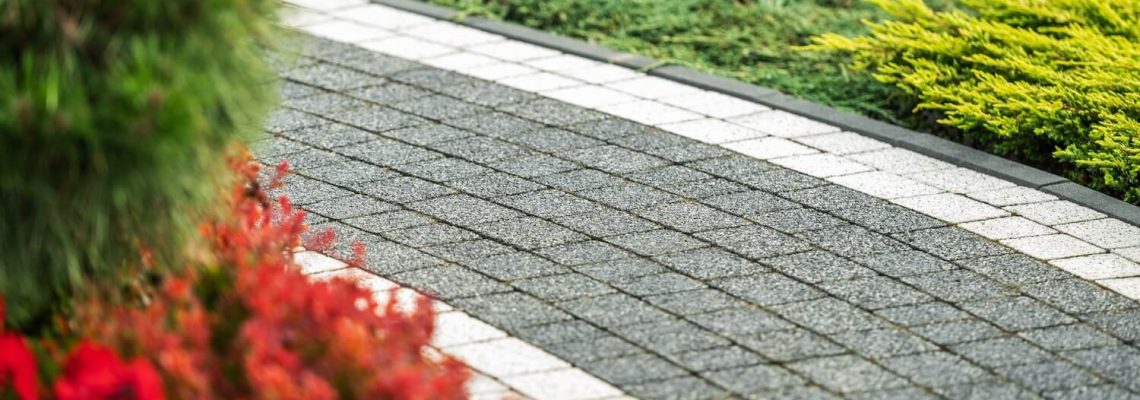
Fortunately, you do not have to surrender your property to the rain. Transitioning from a wet, rutted path to a professionally engineered paver walkway offers a permanent, beautiful solution. By replacing soft, unmanaged soil with an interlocking stone system built over a stabilized, free-draining foundation, Oregon homeowners can reclaim their outdoor spaces, eliminate messy indoor tracking, and enjoy safe, clean access across their yards 365 days a year.
The Anatomy of an Oregon Mud Trap
To understand why certain paths through your yard turn into impassable mud traps every autumn, it helps to look beneath the grass line. The Pacific Northwest presents a unique combination of environmental factors that create the ideal recipe for soil erosion and mud buildup:
- Clay-Dense Soils: Across regions like the Willamette Valley, the subsoil is heavily dominated by dense, expansive clay. Clay acts like a dense sponge; it absorbs water very slowly, holds onto moisture for extended periods, and offers extremely poor drainage. Once saturated, clay soil loses its structural compaction and transforms into slick, heavy mud.
- Persistent Rain and Low Evaporation: Unlike summer downpours that dry quickly in the sun, Oregon’s rainy season consists of continuous, low-intensity drizzle and frequent rainstorms spanning from October through May. Combined with shorter daylight hours and shaded yards, moisture has little chance to evaporate, keeping the ground wet for days or weeks at a time.
- Concentrated Foot Traffic: Walking across a wet lawn applies heavy, repeated pressure to a very narrow strip of turf. This foot traffic compresses the topsoil, reduces natural water infiltration, damages grass roots, and deepens ruts faster than the lawn can recover.
- The Vicious Cycle of Soil Compaction: As the grass dies off, exposed soil absorbs rainfall directly. Each subsequent step squeezes air out of the dirt, deepening the ruts and creating mini-reservoirs where rainwater collects. Over time, downspout runoff, roof driplines, and natural slope drainage pool in these low spots, turning a minor walking path into a permanent mud canal.
Why Quick DIY Fixes and Cover-Ups Fall Short
When faced with a messy backyard path, many homeowners turn to quick, temporary fixes in an attempt to survive the winter. Unfortunately, placing a superficial bandage over saturated soil rarely solves the underlying problem and often creates a bigger mess by spring.
- Loose Gravel and Wood Chips: Dumping bags of pea gravel, river rock, or bark dust over a muddy path might offer temporary relief for a week or two. However, without a structural barrier separating the gravel from the subsoil, foot traffic and rain quickly push the loose rock down into the soft clay. Within a single rainy season, the gravel sinks out of sight, leaving you with a messy hybrid of mud and loose stones that is impossible to shovel or rake.
- Isolated Stepping Stones: Placing individual concrete stepping stones directly on top of grass or unexcavated dirt creates an unstable, wobbly obstacle course. As water saturates the soil beneath, the stones tilt, rock, and sink at uneven angles, spraying muddy water onto your pants every time you step on them.
- Wooden Planks and Pallets: Laying down wood boards seems like an easy temporary bridge, but wet timber in the Pacific Northwest rapidly absorbs moisture. Within months, untreated wood begins to rot, warp, and grow a slick layer of moss and green algae, creating a severe slip hazard for family members and guests.
A lasting fix requires moving beyond surface cover-ups. To eliminate mud permanently, you must address the fundamental relationship between soil stability, water movement, and surface loads.
Mastering Drainage and Slope Management
A walkway should never act as an accidental dam that traps water in your yard. In a wet climate like Oregon’s, proper hardscape installation requires a sophisticated understanding of site hydrology and grading.
When designing a stone path across a wet or sloped property, hardscape specialists incorporate essential drainage protocols:
- 1% to 2% Cross-Slope: Every walkway is engineered with a subtle crown or side-to-side pitch (a drop of approximately 1/8 to 1/4 inch per foot). This invisible slope ensures that rainwater instantly sheets off the stone surface into surrounding garden beds or drainage swales rather than pooling on top of the pavers.
- Downspout Integration: If a downspout discharges water near the walkway route, the concentrated flow must be redirected. Running underground PVC pipe or channel drains beneath the walkway base carries roof runoff safely away to a dry well or pop-up emitter, protecting the walkway foundation from washouts.
- Permeable Options for Heavy Runoff Zones: For side yards or low-lying areas that receive extreme volumes of water, permeable paver systems provide an advanced drainage solution. Designed with wider stone-filled joints and built over an open-graded aggregate reservoir, permeable pavers allow heavy rainfall to filter instantly through the walkway surface and recharge the groundwater below, completely eliminating standing puddles.
By partnering with experienced professionals like Stone Paving Inc., homeowners gain the peace of mind that comes with precise sub-surface grading, complete water management, and expert hardscape execution tailored specifically to local soil conditions.
Lifestyle Transformation: Clean Entrances & Year-Round Usability
Beyond the structural mechanics, installing a custom stone paver walkway fundamentally changes how you interact with your home and outdoor surroundings.
1. The “Clean Home” Buffer
A paver walkway creates a clean, mud-free buffer zone between your lawn and your home’s entry points. By giving kids, pets, and family members a solid, debris-free surface to walk on before stepping indoors, you dramatically reduce the amount of dirt, grit, and mud tracked across hardwood floors and carpets.
2. Seamless Outdoor Connections
A well-planned walkway establishes logical circulation routes that connect key destinations across your property:
- Linking the front driveway smoothly to the side gate and backyard patio.
- Creating a clean, level route from the kitchen door to the trash cans, woodpile, or garden shed.
- Providing a safe, charming garden path that allows you to enjoy outdoor plants without stepping into wet soil.
3. Striking Curb Appeal & Design Versatility
Unlike utilitarian concrete paths, paving stones come in a rich spectrum of natural earth tones, textures, and architectural styles. Whether your home features a contemporary modern design, a classic craftsman facade, or a rustic Northwest cottage look, custom pavers can be selected to complement your exterior brickwork, siding, and landscaping. Adding contrasting paver borders or subtle LED pathway lighting transforms a simple walkway into a breathtaking landscape feature.
The Long-Term Value: Pavers vs. Poured Concrete
When weighing options for a permanent walkway, homeowners often compare interlocking stone pavers with traditional poured concrete.
While concrete may seem appealing due to a lower initial material cost, a long-term performance comparison in Oregon’s rainy, freeze-thaw climate strongly favors pavers.
| Performance Feature | Poured Concrete Walkways | Interlocking Paver Walkways |
|---|---|---|
| Flexibility & Soil Movement | Rigid slab; highly prone to cracking when ground wet-shrinks or freezes. | Modular system; flexible joints absorb ground movement without cracking. |
| Structural Load Strength | Standard 3,000–4,000 PSI strength. | High-density stone (8,000+ PSI; 3x stronger than concrete). |
| Repairability | Poor; cracked slabs require ugly patching or complete, noisy demolition. | Exceptional; individual stones can be popped out and spot-repaired seamlessly. |
| Surface Traction & Safety | Can become slick and scaled over time under heavy rain and moss growth. | Textured stone finish provides superior non-slip traction in wet weather. |
| Lifespan | 15–20 years before cracking and degradation occur. | 30–50+ years; considered a true lifetime hardscape product. |
Because pavers can be spot-repaired without leaving visual scars, maintaining a pristine walkway for decades is simple and affordable. This long-term durability is why installing a paver path consistently delivers a strong return on investment, significantly boosting property value and buyer appeal.
Why Professional Craftsmanship Design Makes All the Difference
While weekend home-improvement shows make paver projects look straightforward, excavating tons of heavy soil, hauling yards of crushed stone, and engineering precise drainage slopes requires immense physical effort and specialized commercial equipment.
A single mistake in base compaction, geotextile selection, or edge restraint placement can result in a walkway that sags, shifts, and floods within just two or three seasons. Hiring a seasoned, specialized hardscaping team ensures that every phase of excavation, aggregate compaction, and stone setting is executed to perfection.
With two decades of family-owned experience, Stone Paving Inc. brings a rich legacy of honest work, punctuality, and technical excellence to every residential hardscape project. The dedicated team at Stone Paving Inc. handles the heavy excavation, sub-surface engineering, and precise stone placement so you can sit back and enjoy a beautiful, mud-free property without the physical strain or worry of future repairs.
Proactive Paver Care: Keeping Your Walkway Fresh Year-Round
While an engineered paver walkway requires very little routine maintenance, a simple care playbook will keep your path looking brand-new for decades:
- Keep the Surface Clear: Sweeping away fallen autumn leaves, pine needles, and organic debris prevents natural tannins from staining the stone surface during long rainy spells.
- Annual Gentle Rinsing: A light pressure wash (using a wide fan tip below 2,000 PSI) once a year removes accumulated dirt, algae, and atmospheric dust.
- Inspect Joint Sand: Inspect polymeric sand joints every 3 to 5 years. If heavy rain or leaf blowers have worn down the sand levels, sweeping in a fresh layer of polymeric sand keeps the interlocking mechanism completely locked and weed-free.
Frequently Asked Questions
Can a paver walkway be installed in areas of my yard that stay constantly wet?
Yes. However, installing pavers in chronically wet areas requires proper site evaluation first. The project must include deep excavation, high-performance geotextile fabric, a thick compacted aggregate base, and appropriate slope grading or subsurface drainage pipes to move water away from the walkway foundation.
Will a new paver walkway eliminate all mud in my backyard?
A paver walkway eliminates mud along your primary walking routes, creating a clean, solid bridge across your property. While adjacent unpaved garden beds or open lawn areas may still collect rainwater, the walkway prevents foot traffic from churning that wet soil into sludge and tracking it indoors.
Why is geotextile fabric so important when installing pavers in Oregon?
Oregon’s subsoil is rich in clay, which becomes soft and slick when wet. Geotextile fabric acts as a permanent structural barrier between the subsoil and the gravel base, preventing the soft clay from mixing with and weakening the crushed rock foundation under heavy foot traffic.
Are paver walkways slippery during Oregon’s long rainy season?
No. High-quality concrete and natural stone pavers are manufactured with textured, slip-resistant surface finishes. Unlike smooth poured concrete or algae-covered wooden decking, textured pavers provide excellent foot traction even during heavy rainfall.
How long does a professionally installed paver walkway take to construct?
Most residential paver walkway installations are completed efficiently within 2 to 4 days, depending on the length of the path, slope complexity, and excavation requirements. A professional team ensures punctuality, clean site access, and minimal disruption to your daily routine.
Paver Walkway Conclusion: Step onto Solid Ground with Confidence
You do not have to spend another wet Oregon winter dreading the trip to the trash cans, wiping muddy paws at the back door, or watching your lawn wash away into a rutted trench. A custom interlocking paver walkway offers the ultimate combination of structural strength, elegant design, and everyday practicality.
By replacing soft, unmanaged soil with an engineered stone pathway built to handle the Pacific Northwest’s toughest weather, you transform a property liability into a lasting architectural asset. Step off the muddy grass, reclaim your outdoor living space, and enjoy clean, confident steps across your yard for decades to come.